

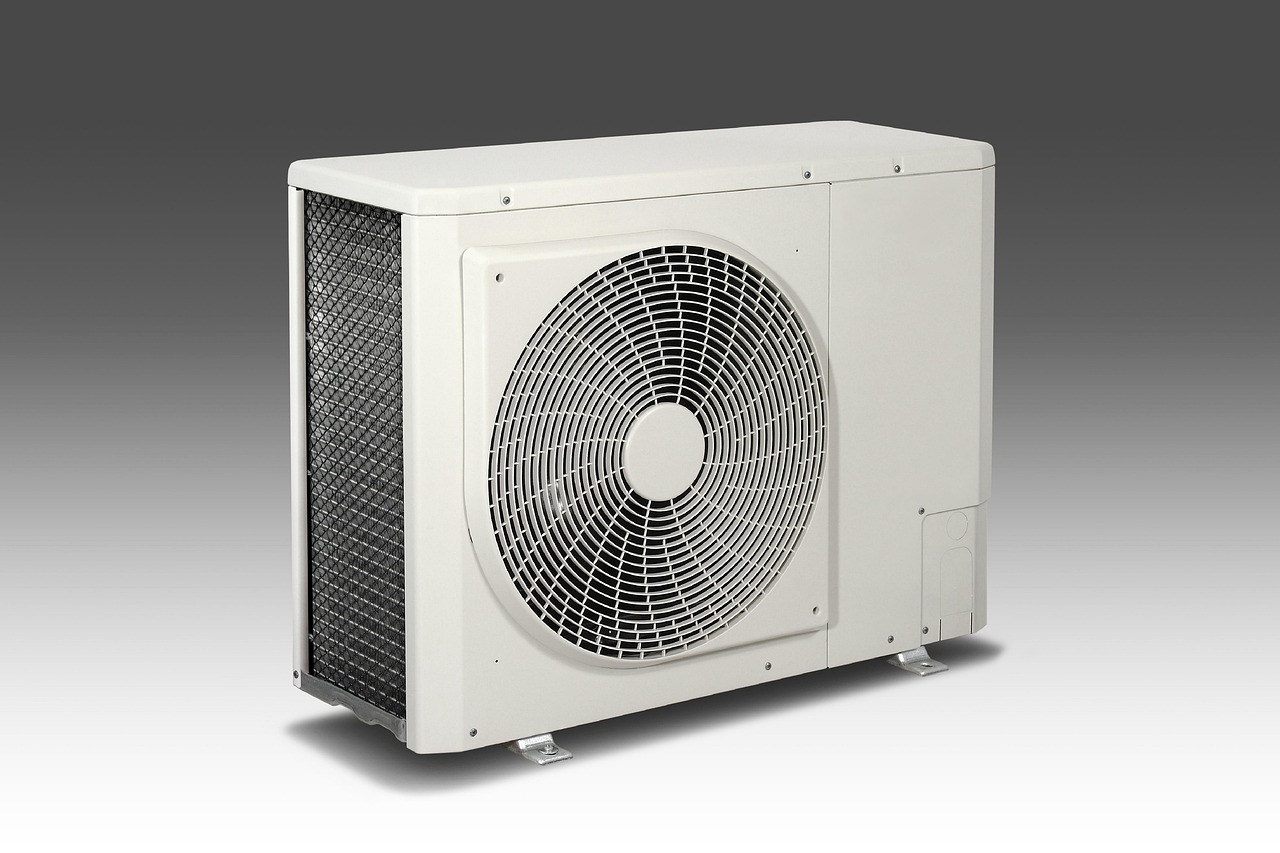
Living in Avondale means your HVAC system battles extreme desert heat for most of the year, with summer highs reaching 102.7°F in July and temperatures rarely dropping below 64°F even in winter. When your air conditioning finally gives up after years of running 3,000+ hours annually in our Climate Zone 2B desert conditions, you need straight answers about replacement costs, rebate opportunities, and the new 2025 regulations that could affect your decision.
How Much Does HVAC Replacement Cost in Avondale, Arizona?
For Avondale homeowners, most homes pay $9,500–$15,000 for a full AC unit replacement in 2025, with the average cost to replace a 3-ton air conditioning system with a furnace ranging from $10,500 to $12,500. This represents a significant jump from pre-2021 pricing due to new regulations we'll cover below.
Here's what affects your specific cost in Avondale:
System Size: A 3-ton system (sized for about 1,500 to 2,000 square feet) is the most common for typical Arizona homes, though larger homes in the Phoenix metro may need 4- or 5-ton units.
Efficiency Rating: The minimum SEER2 requirement in Arizona is 14.3, but many homeowners choose higher ratings to lower monthly energy costs. Jumping to 17–20+ SEER2 adds upfront cost but can slash your summer bills 20–40%.
Local Labor Factors: Local labor costs are below national average, making Avondale a good value for renovation projects, though a proper install in an Arizona attic during summer is hot, hard work – and it's the difference between a system that lasts 15–20 years and one that fails early.
The $5,000 Rule: When to Repair vs. Replace Your Avondale HVAC System
The $5,000 rule is a simple calculation: multiply your system's age by the repair cost. If the result exceeds $5,000, replacement is usually the smarter financial choice.
For example, if your 12-year-old system needs a $600 compressor repair: 12 × $600 = $7,200. Since this exceeds $5,000, replacement makes sense.
In Avondale's harsh climate, most systems last 10–15 years tops before efficiency tanks and repairs start piling up faster than monsoon dust. The rule becomes even more important when you factor in the 2025 refrigerant changes that make repairs on older systems increasingly expensive.
If the heater or air conditioner in your home has been there for more than a decade, there's a good chance that it has many worn-out parts. Aging systems often can't operate as efficiently as they used to, and replacing them could wind up saving you money on your energy bills.
Best HVAC Systems for Avondale's Climate
Avondale sits in a Subtropical desert climate characterized by BWh climatic conditions that are generally arid and hot. This affects which systems work best:
Heat Pumps: While viable, heat pumps work best in more moderate climates and may not be as effective during Avondale's hot summers. However, they're increasingly popular due to federal rebate opportunities.
High-Efficiency Central AC: Because systems run nonstop in Arizona summers, efficiency is more important here than almost anywhere else. Many homeowners choose to invest in higher-SEER2 units that run more efficiently and last longer under heavy demand.
Air Quality Considerations: Unlike Texas or Florida, Arizona's heat is dry. That means humidity isn't the main concern, but dust and indoor air quality often are. Air purifiers, whole-home filters, or advanced filtration systems may be worth the investment here.
Top Brands for Arizona: Local contractors frequently recommend Trane, Carrier, and Rheem systems that are built to handle extreme heat cycles.
Does Homeowners Insurance Cover HVAC in Arizona?
Generally, homeowners insurance covers HVAC systems when they're damaged by sudden, covered perils like storms, fires, or vandalism. However, normal wear and tear, maintenance issues, and gradual deterioration are not covered.
In Arizona's harsh climate, most HVAC failures result from normal wear rather than sudden damage, meaning insurance rarely applies. However, if monsoon storms damage your outdoor unit or if electrical surges from summer storms fry your system's electronics, you may have coverage.
Important: Insurance policies vary significantly—always check with your specific insurer about coverage details, deductibles, and claim procedures before assuming coverage.
2025 HVAC Changes Every Avondale Homeowner Should Know
Several significant changes took effect in 2025 that directly impact Avondale homeowners:
New Refrigerant Requirements: The switch to R-454B refrigerant mandated by the EPA, stricter SEER2 efficiency rules that took effect in 2023, and ongoing supply-chain pressures pushed installed costs up roughly 35–45% since 2021.
Efficiency Standards: Arizona's minimum is now 15 SEER2 in the south zone (about 16 old SEER), meaning older systems being repaired may not meet current standards if major components need replacement.
The Silver Lining: The new equipment is legitimately better – quieter, more reliable in extreme heat, and way cheaper to run over its lifetime.
Utility Rebates and Incentives for Avondale Homeowners
Avondale residents are served by both APS and SRP, depending on your specific neighborhood. Both utilities offer substantial rebates:
SRP Cool Cash Rebates: SRP offers rebates for AC units, heat pumps, and mini-split systems for qualifying high-efficiency equipment.
APS Rebates: APS is offering a $200 rebate when you replace your old or broken air conditioner with a new one that meets minimum efficiency standards.
Federal Incentives: APS and SRP offer up to $1,200 on high-efficiency units, plus federal tax credits up to $2,000 through the Inflation Reduction Act if you hit 16+ SEER2 and other requirements.
Income-Based Rebates: Qualifying homeowners can get up to $14,000 in rebates for upgrades like heat pumps, insulation, and electrical panel improvements through the Efficiency Arizona program.
Common HVAC Problems in Avondale (Troubleshooting Guide)
"Why is my AC blowing warm air?" In Avondale's extreme heat, common causes include:
• Refrigerant leaks (accelerated by constant high-temperature operation)
• Dirty condenser coils (dust accumulation from desert conditions)
• Overwhelmed systems running constantly in 100°F+ weather
• Thermostat issues from temperature swings
Seasonal Issues: Because air conditioners are used for much of the year in Avondale, homeowners can experience breakdowns as a result of constant use. Most failures occur in July and August when systems are most stressed.
When to Call a Professional: In Avondale, you can't simply put a fan in the window and expect the temperature inside to diminish. When your air conditioner breaks down, it can quickly get dangerously hot in your home and become unbearable. Emergency 24/7 AC repair service is essential.
How to Choose an HVAC Contractor in Avondale
Licensing Requirements: HVAC contractors in Arizona may possess one of multiple types of specialty residential or dual contractor licenses from the Arizona Registrar of Contractors. Generally, four years of hands-on experience is required to apply for a license, and contractors must also be bonded.
What to Look For:
• Arizona ROC license verification
• Local experience with desert climate challenges
• Proper Manual J load calculations (not guessing)
• Experience with utility rebate programs
• Strong local reviews and BBB rating
Questions to Ask:
• Are you familiar with APS/SRP rebate requirements?
• Do you perform Manual J load calculations?
• What warranties do you offer on desert installations?
• How do you handle emergency repairs during summer peaks?
Best Timing: Install October–March and contractors are hungrier for work, plus you'll avoid the stress of summer installation scheduling when demand peaks.
Best Month to Buy an HVAC System in Avondale
October through March represents the sweet spot for HVAC purchases in Avondale. During these months, contractors have more availability, competitive pricing, and can complete installations without working in extreme heat.
Avoid May through September if possible—this is when contractors are busiest with emergency repairs and installations, leading to higher costs and longer wait times. However, don't wait if your system fails during summer; temperatures regularly climb into the triple digits and a working AC isn't just a luxury—it's essential for staying safe and comfortable.
For Avondale homeowners planning ahead, late winter installations also ensure your new system is properly tested and any warranty issues resolved before the brutal summer season begins.
Understanding HVAC costs and options in Avondale's unique desert climate helps you make informed decisions about repair versus replacement. Whether you're dealing with an emergency breakdown or planning an upgrade, factor in local climate demands, available rebates, and the 2025 regulatory changes to get the best value for your investment. Remember to get multiple quotes from licensed local contractors who understand Arizona's specific challenges and can help you navigate the rebate process.