

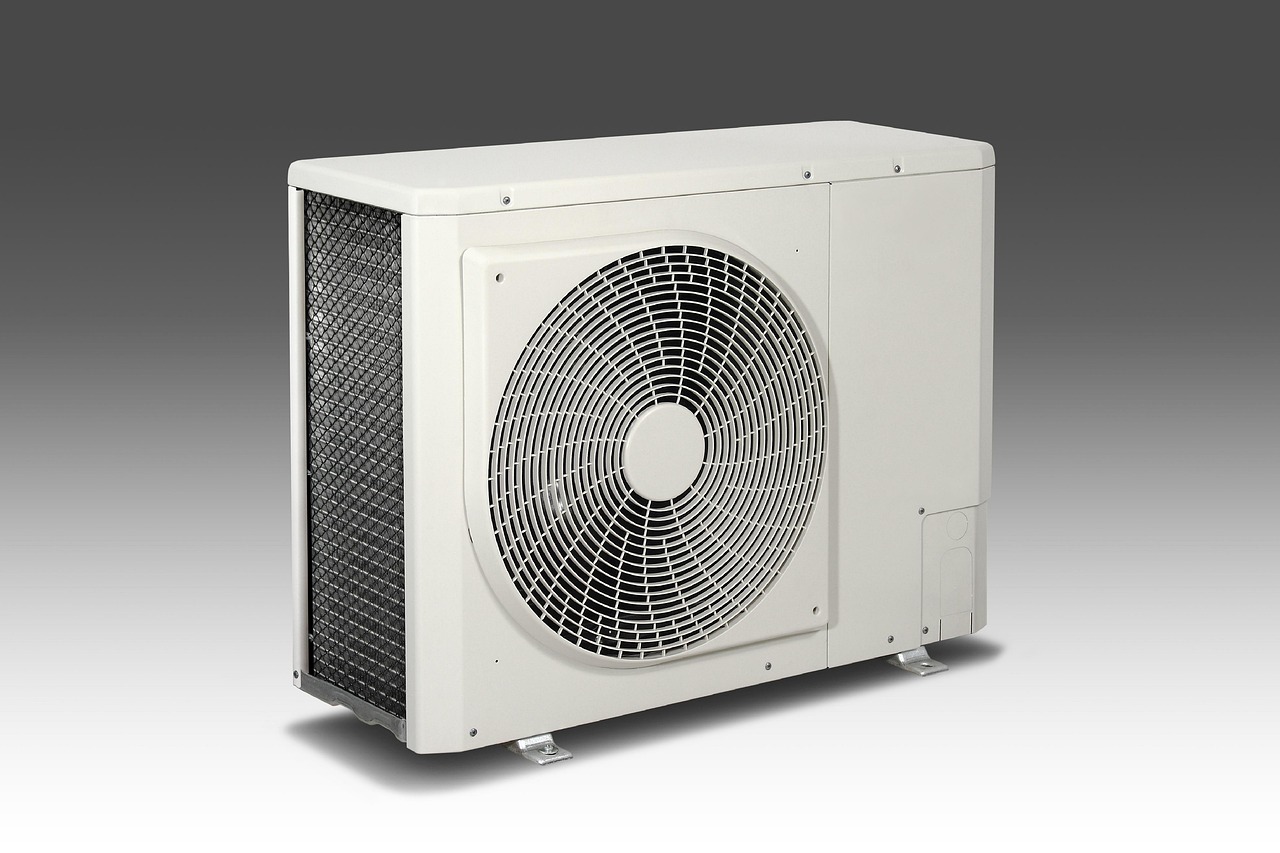
If you're a Tracy homeowner wondering about HVAC replacement costs, you're not alone. Tracy's summers are hot, arid, and clear while winters are short, cold, wet, and partly cloudy with temperatures typically varying from 40°F to 92°F. This Mediterranean climate pattern puts unique demands on heating and cooling systems that affect both your equipment choices and costs.
With recent changes in refrigerant regulations and new efficiency standards taking effect in 2025, Tracy homeowners are facing some of the biggest HVAC industry changes in decades. Here's everything you need to know about replacement costs, system options, and local factors that affect your investment.
How Much Does HVAC Replacement Cost in Tracy, California?
For Tracy homeowners, HVAC replacement costs $5,000 to $11,000 for a standard furnace and AC unit replacement, while installing a completely new HVAC system with ductwork costs $7,000 to $16,000 depending on house size, ductwork length, and system type. However, labor and materials costs can be higher in urban areas like Los Angeles or San Francisco compared to suburban areas like Tracy, which typically keeps our local pricing more moderate.
Here's what Tracy homeowners can expect by system type:
Central Air Conditioning Only: $3,900 to $7,900 depending on home size and ductwork requirements
Gas Furnace Replacement: $3,800 to $10,000 for an average-sized home, not including new ductwork, gas lines, or thermostats
Complete System (Furnace + AC): $7,500 on average with a typical range of $5,000 to $12,500
Heat Pump Systems: $15,000 to $35,000 in California, with this wide range due to various heat pump types: air-source, water-source, and geothermal options
Tracy's typical home sizes and our location in San Joaquin County's Climate Zone 2 influence these costs. Most Tracy homes are 1,500-2,500 square feet, requiring 3-4 ton systems to handle our summer highs that reach the high 80s and low 90s during the day.
The $5,000 Rule: When to Repair vs. Replace Your Tracy HVAC System
The $5,000 rule is simple: if your repair cost plus your system's age (in years) multiplied by $100 exceeds $5,000, it's time to replace. For example, if you need a $1,500 compressor repair on a 15-year-old system: $1,500 + (15 × $100) = $3,000. Since this is under $5,000, repair makes sense.
However, Tracy's climate adds local considerations:
Age Factor: Central air conditioners and heat pumps normally last only 10 to 15 years. Our hot, dry summers with temperature variations that can reach 38 degrees Fahrenheit between night and day during summer stress cooling systems significantly.
2025 Regulation Impact: Systems using R-410A refrigerant face higher repair costs as this refrigerant is being phased out. If your system is over 10 years old and needs refrigerant work, replacement with a newer R-454B system may be more cost-effective.
Efficiency Considerations: Gas furnaces cost less to operate than electric furnaces in cold regions, but Tracy's mild winters averaging highs in the mid-50s to lows in the upper 30s mean heating costs are less of a factor than cooling efficiency.
Best HVAC Systems for Tracy's Climate
Tracy has a Mediterranean climate with Csa classification by Köppen-Geiger, making it ideal for several system types:
Heat Pumps: Heat pumps work well in climate zones 3-4 but may need backup heat in zone 5+. Tracy's climate zone makes heat pumps an excellent choice, providing both efficient cooling for our hot summers and adequate heating for mild winters.
High-Efficiency Central AC: Most central AC systems have a maximum SEER rating of 17 with typical systems at 14 SEER, while heat pumps can go as high as 19+ SEER. For Tracy's cooling-dominated climate, investing in higher SEER ratings pays off quickly.
Hybrid Systems: Hybrid heat pumps combine a heat pump with a secondary heating system like a furnace, seamlessly switching when temperatures drop below a certain threshold, costing $2,500 to $10,000.
Top Energy-Efficient Brands: Top brands like Lennox, Carrier, and Trane typically cost more but use higher-quality parts. Brands like Amana or Coleman tend to be at the lower end around $3,000, while Trane and York are often $6,000 or more.
Does Homeowners Insurance Cover HVAC in California?
Homeowners insurance coverage for HVAC systems depends on the cause of damage:
Typically Covered: Sudden, accidental damage from covered perils like storms, fires, or vandalism. If a tree falls on your outdoor unit during a windstorm, that's usually covered.
Not Covered: Normal wear and tear, lack of maintenance, or gradual deterioration. Your 15-year-old system that finally gives out won't be covered.
California-Specific Considerations: Our state's earthquake and wildfire risks may affect coverage. Some policies exclude earthquake damage unless you have separate earthquake insurance.
Important: Policies vary significantly – check with your insurer before assuming coverage. Many insurers require regular maintenance records to honor claims.
2025 HVAC Changes Every Tracy Homeowner Should Know
Refrigerant Transition: The phase-out of R-410A refrigerant in favor of R-454B affects both repair and replacement costs. Older systems may become more expensive to service as R-410A becomes scarce.
New Efficiency Standards: California is divided into 16 distinct climate zones with more granular requirements than ASHRAE zones, capturing microclimates for more precise energy efficiency standards. Tracy's specific requirements may differ from neighboring areas.
Cost Impact: These changes are driving equipment costs higher in early 2025, but they'll also improve long-term efficiency and reduce operating costs.
Timeline: The transition is happening now, so if you're considering replacement, acting sooner rather than later may save money on equipment costs.
Common HVAC Problems in Tracy (Troubleshooting Guide)
"Why is my AC blowing warm air?" - Common Tracy-specific causes:
• Dirty air filter: Our dusty summer conditions clog filters faster than in coastal areas
• Low refrigerant: Large temperature swings of 38 degrees between day and night during summer can stress refrigerant lines
• Dirty condenser coils: Dust and debris from agricultural areas around Tracy accumulate on outdoor units
• Thermostat issues: Extreme heat can affect thermostat calibration
Seasonal Issues:
• Spring startup problems: After mild winters, systems may need professional tune-ups before hot weather hits
• Summer overwork: Average temperatures range from 45 to 95 degrees Fahrenheit, with summer temps reaching as high as 105 degrees
• Fall maintenance: Preparing for winter humidity changes
When to Call a Professional: Any refrigerant issues, electrical problems, or if your system can't maintain temperature during extreme weather.
How to Choose an HVAC Contractor in Tracy
Essential Qualifications:
• Valid California contractor's license (CSLB)
• Workers' compensation and general liability insurance
• NATE certification preferred
• Local references from Tracy homeowners
Questions to Ask:
• Do you perform Manual J load calculations?
• What's your experience with Tracy's climate zone requirements?
• How do you handle permit applications?
• What warranty do you provide on installation?
Red Flags:
• Door-to-door solicitation
• Pressure to sign immediately
• Significantly lower bids without explanation
• No local references
Best Timing: Take advantage of seasonal discounts and promotions, as HVAC companies often offer special deals during spring and fall when demand is lower.
Tracy homeowners have unique HVAC needs due to our specific climate and location. Service Champions has been proud to serve Tracy and all across Northern California for nearly twenty years, demonstrating the importance of choosing contractors familiar with local conditions. By understanding our costs, climate requirements, and local factors, you can make informed decisions that keep your home comfortable year-round while maximizing your investment value.